Order early, order right: taking long-lead equipment off the critical path
On many high voltage projects, the delivery of power transformers and other HV equipment now drives the energisation date. Drawing on our project experience, we set out three strategies to take long-lead equipment off the critical path, the specification pitfall to avoid, and how to manage the risk that comes with ordering early.
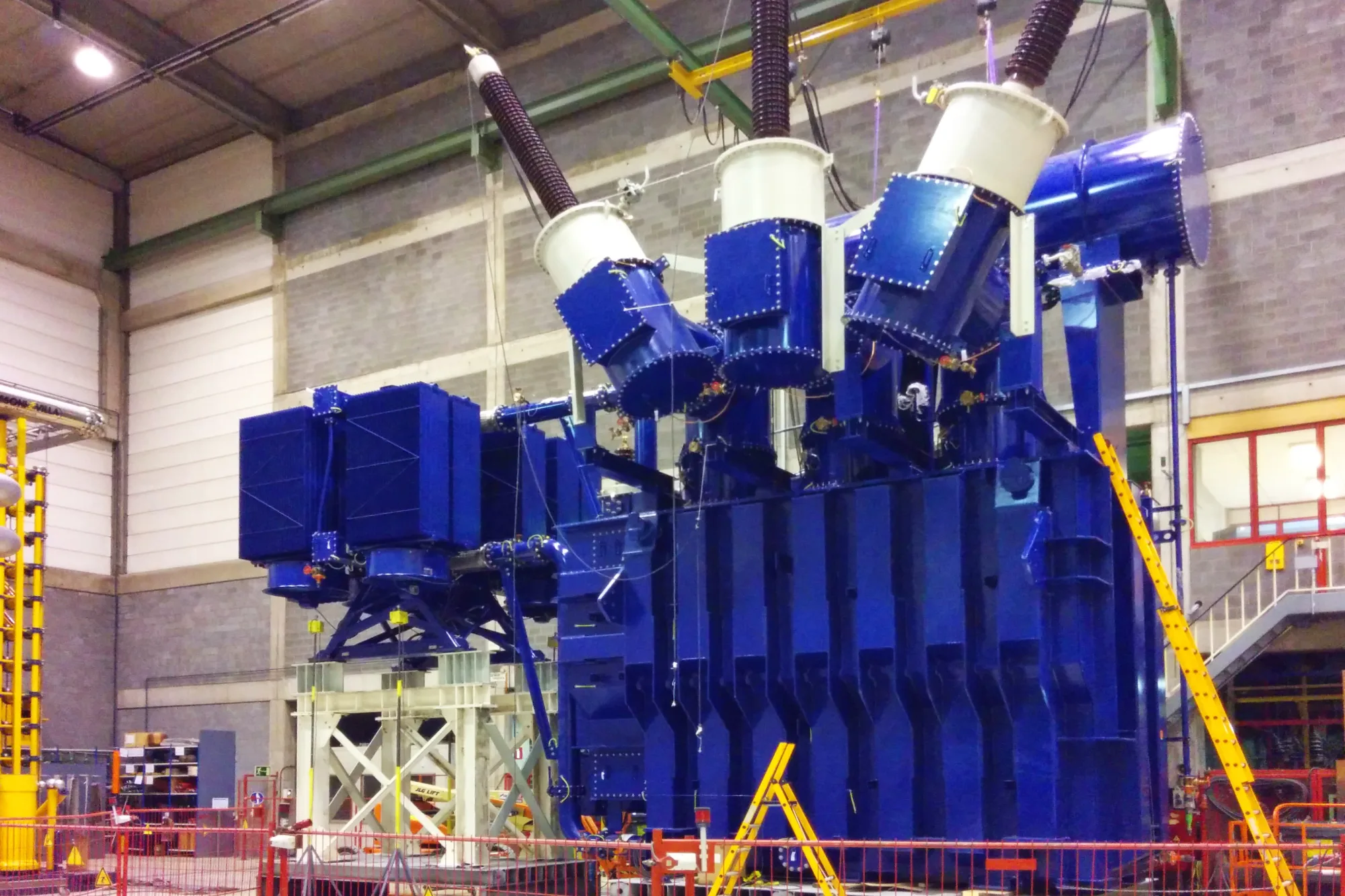

On a growing number of high voltage (HV) projects, the delivery date of the electrical equipment has become one of the main drivers of the energisation date, alongside permitting and design. We see this across our portfolio, from utility-scale battery energy storage projects with very short timelines to commercial operation, to offshore wind projects where, next to permitting, the electrical equipment still weighs heavily on the overall schedule. More often than not, that means the HV power transformers. On our recent battery energy storage and offshore wind projects from 150 kV to 380 kV, either the transformers or a larger electrical equipment package was ordered early for this reason.
Lead time is no longer something procurement deals with after the design is done. It is a design input in its own right, and the development strategy and contract structure need to be shaped around it.
What drives the schedule
Across our projects at 150 kV, 220 kV and 380 kV, the power transformers and shunt reactors are almost always on the critical path. Where a static synchronous compensator (STATCOM) is needed for grid code compliance, it deserves the same early attention. As of 2026, European supply of large power transformers means at least 24 months from order at the manufacturer. An extensive market search can sometimes turn up an earlier factory slot, but the accessories, and the HV bushings in particular, often still limit how much of that slot can actually be used. To gain time, some projects consider performing the factory acceptance test with different bushings, with the final bushings fitted later.
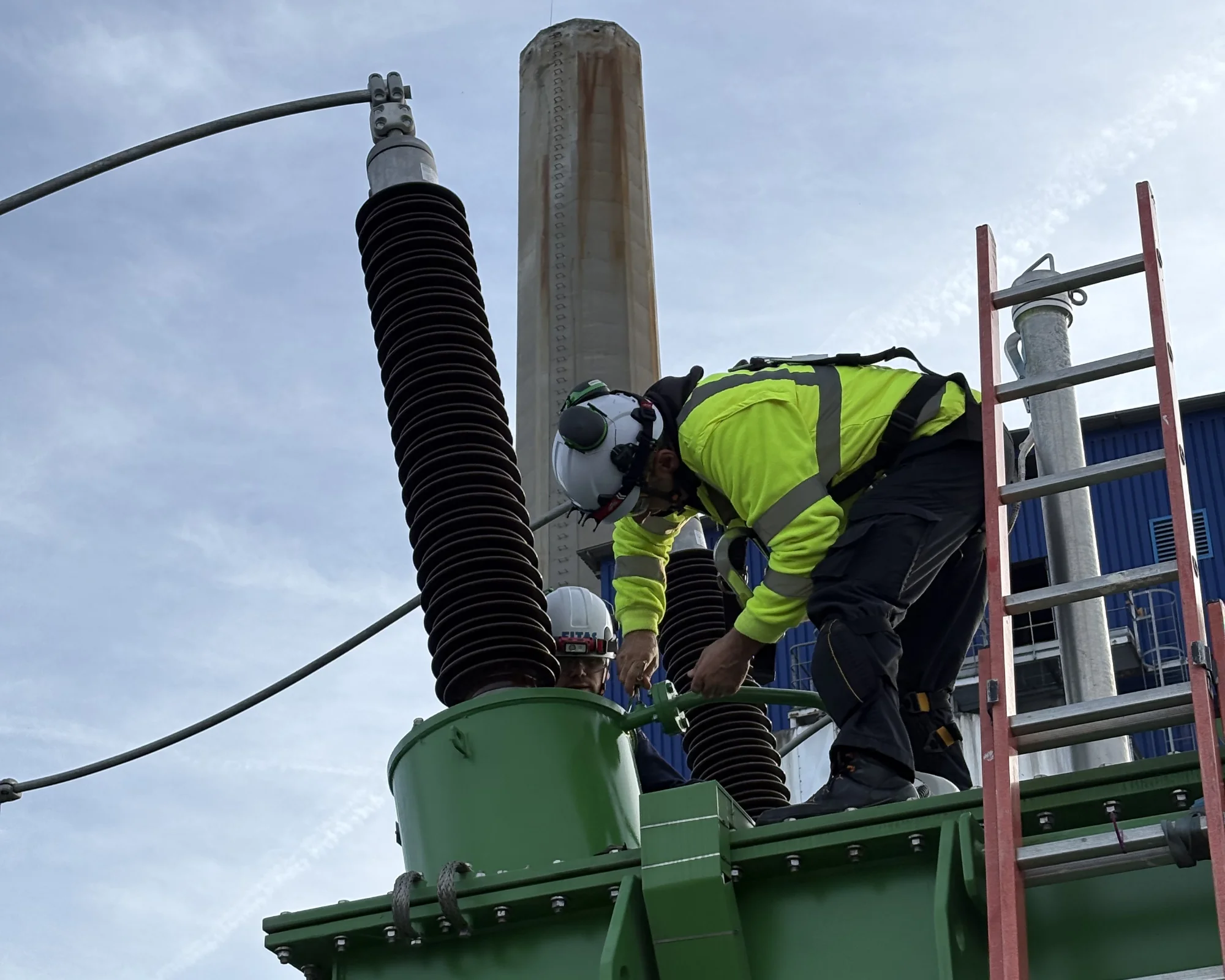
The bottleneck moves over time. A few years ago, the on-load tap changers of one supplier were pushing transformer delivery out; we managed this by, for example, allowing more flexibility in the choice of tap changer supplier. Those lead times have since dropped significantly, and today it is more often the bushings. It pays to ask suppliers which components drive their quoted delivery date, and whether an equivalent alternative would shorten it.
Production in Asia-Pacific can shorten the timeline, but it is not a free win. It adds transport risk, makes quality assurance more demanding, and if European accessories and bushings are specified, those components often still set the delivery date.
“Lead time is no longer something procurement deals with after the design is done.”
HV circuit breakers and SF6-free switchgear are less often the main driver, but on several projects they have proven hard to fit into the schedule. Note that the EU F-gas restrictions apply from the date the switchgear is put into service, so a transformer delay that pushes energisation past a regulatory deadline can turn a schedule issue into a compliance issue.
Three strategies we see working
1. Order the critical equipment directly
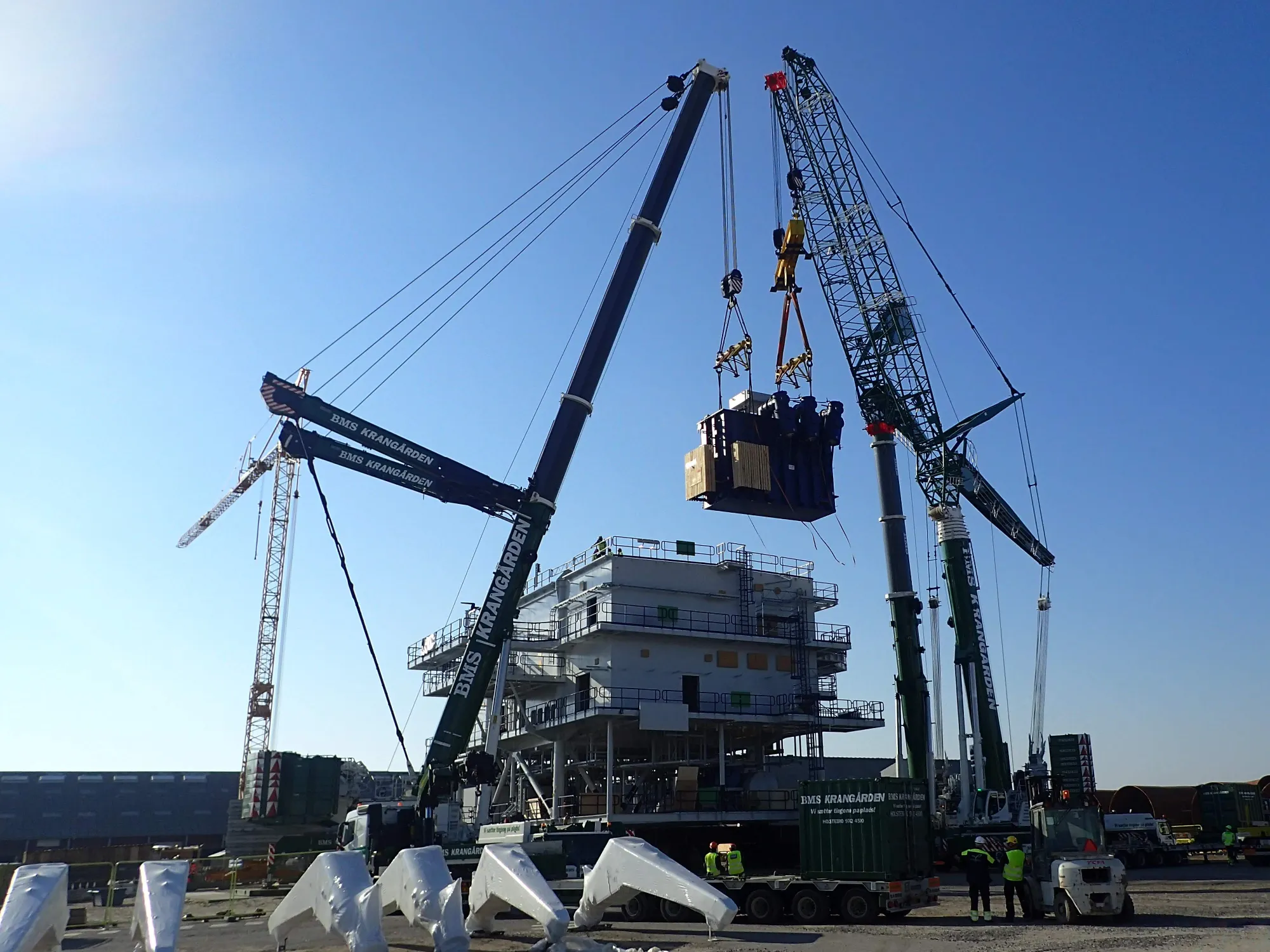
The most direct route to an early factory slot is for the developer to order the power transformer, and sometimes the HV circuit breakers, directly from the manufacturer, ahead of the balance of plant (BOP) tender, typically securing a slot about six months earlier.
Ordering directly means the developer takes on specification, delivery and interface risk that would otherwise sit with the contractor. The equipment can be free-issued to the BOP contractor, with the split of responsibilities for delivery, installation, commissioning and warranty set out clearly in both contracts.
Where the developer prefers not to keep that risk, novating the supply contract to the BOP contractor once selected is an option. The contractor then takes over the supplier relationship under single-point responsibility, while the project keeps its early slot.
2. Standardise designs across several projects
The most effective way to take equipment off the critical path is to order it before any single project needs it. Several clients now look for transformer designs, and sometimes circuit breaker designs, that can be used across multiple projects in their pipeline, allocated to whichever project reaches construction first.
A transformer is never truly generic, though. A multi-project design must cover the site-specific requirements of every project it may serve: grid and secondary side short-circuit levels, the voltage operating range, neutral insulation level, impedance and tapping range, transport limits and the local transmission system operator (TSO) requirements. The result can be a design that is suboptimal for any individual site, with higher insulation levels, a wider tapping range or a short-circuit impedance that is not ideal everywhere. That cost has to be weighed against the time gained.
3. Split a dedicated equipment package from the BOP
A broader option is to take the full HV electrical equipment scope out of the BOP and award it as a separate package, so it is no longer held back by the BOP tender. This is mostly considered on more complex projects, where the grid connection design, the power system and grid code compliance studies, and the resulting sizing of power transformers, shunt reactors and other equipment are closely linked. There, cutting out only a few specific components is much harder.
This comes at a cost. It means a much larger initial commitment, often before a final investment decision, which not every project is willing or able to make. It also adds interface risk. The package typically covers the HV equipment with its protection, control and SCADA, and sometimes the related telecoms equipment, but it still has to fit with the civil works and the low voltage and auxiliary systems, often delivered by other contractors. Without strong interface management on the developer's side, the time gained in procurement can easily be lost on site.
The pitfall: a fast order with the wrong specification
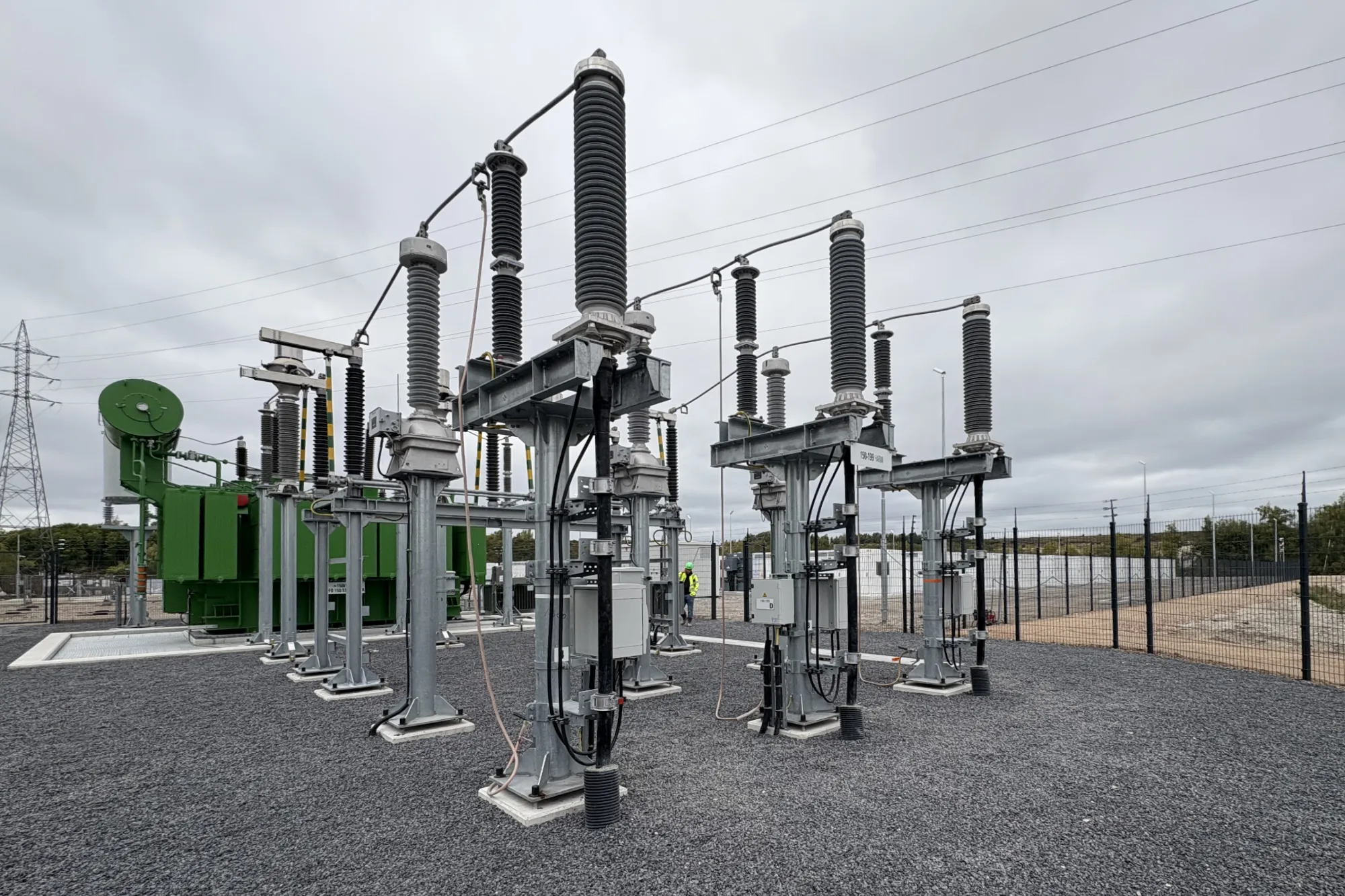
Early ordering only saves time if what is ordered can be used. In the rush to secure a slot, we have seen transformers ordered with incorrect specifications on actual projects:
- short-circuit levels taken from today's grid rather than the TSO's future network
- a secondary side specified before the collector system was known
- a specification reused from a previous project without checking it against the new site
- a neutral insulation level that proved insufficient once the TSO requirements were considered.
The result is the risk of costly rework, delays and difficult negotiations with the supplier. Other inputs are simply not available when the order is placed. We have seen projects where the required terminal mechanical strength of transformers and other HV equipment could not be confirmed because conductor layouts, support structures and detailed mechanical short-circuit studies were not yet finalised.
“Early ordering only saves time if what is ordered can be used.”
The answer is not to order later, but to front-load the right engineering. Where an input cannot be closed in time, a deliberate design margin or an agreed change mechanism is far cheaper than a surprise after the order.
Making it work: responsibilities and key dates
Each of these strategies moves risk from the contractor to the developer. That is a valid choice, as long as it is a conscious one. In practice this means:
- A clear split of responsibilities for design data, delivery and storage, installation, commissioning and warranty.
- Key dates that are consistent across contracts: a transformer delivery date means little unless the BOP contract states when the foundation will be ready.
- Aligned liabilities, so the developer is not exposed to a full delay claim from the contractor while the supplier's delay damages are capped far lower.
- A dedicated interface manager on the developer's side, who coordinates between the contracts and resolves issues before they reach site.
- A change-control process that defines which design inputs must be fixed before the order is placed, which assumptions can remain open, and how changes are agreed with the supplier.
Let's talk about your project
There is no single answer that fits every project. The right approach depends on the pipeline, the grid connections, the risk appetite and the contracting model. Enersynt supports developers and owners in making these choices, from multi-project equipment specifications to procurement strategy and interface management.
Is equipment lead time driving the schedule of your project? Get in touch with our team to order early and order right: secure a factory slot without locking in a specification you will regret on site.
Further Insights
HVAC or HVDC? Why substation position changes the answer
Meet Enersynt in Hamburg and Porto